Sanskrit Encyclopaedia
Lingashtakam
spoitfy: https://open.spotify.com/track/6fpGkH3nXGUDJ7RPALsT9y?si=4b41500ced46472d
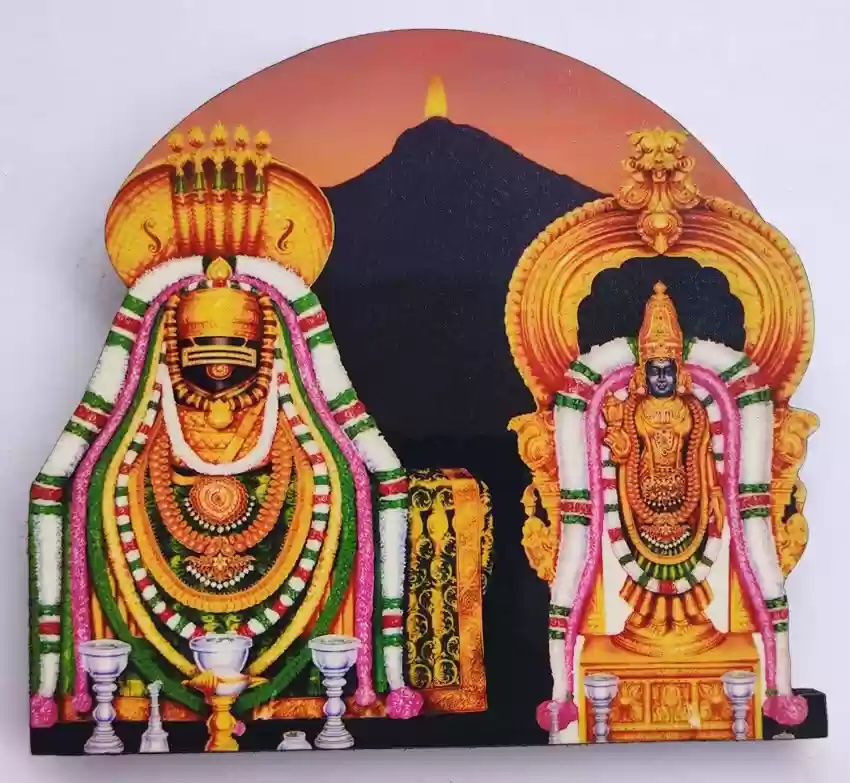
https://www.hinduscriptures.in/sacred-places/pancha-bhoota-sthalas/arunachaleshwar-temple-thiruvannamalai
ब्रह्ममुरारिसुरार्चितलिङ्गं
निर्मलभासितशोभितलिङ्गम् ।
जन्मजदुःखविनाशकलिङ्गं
तत्प्रणमामि सदाशिवलिङ्गम् ॥ १ ॥
ब्रह्म (brahma): Brahma (the creator god) मुरारि (murāri): Murari (Vishnu, the destroyer of the demon Mura) सुर (sura): gods अर्चित (arcita): worshipped लिङ्गं (liṅgam): the Lingam (symbol of Shiva) निर्मल (nirmala): pure, spotless भासित (bhāsita): shining, radiant शोभित (śobhita): adorned, beautified लिङ्गम् (liṅgam): the Lingam जन्मज (janmaja): born from birth, caused by birth दुःख (duḥkha): sorrow, suffering विनाशक (vināśaka): destroyer लिङ्गं (liṅgam): the Lingam तत् (tat): that प्रणमामि (praṇamāmi): I bow down, I salute सदाशिव (sadāśiva): Sadashiva (eternal Shiva) लिङ्गम् (liṅgam): the Lingam
“The Lingam worshipped by Brahma, Murari (Vishnu), and the gods, the Lingam shining with pure radiance and adorned, the Lingam that destroys the sorrows born from birth, to that Sadashiva Lingam, I always bow down.”
देवमुनिप्रवरार्चितलिङ्गं
कामदहं करुणाकरलिङ्गम् ।
रावणदर्पविनाशनलिङ्गं
तत्प्रणमामि सदाशिवलिङ्गम् ॥ २ ॥
देव (deva): gods मुनि (muni): sages प्रवर (pravara): best, foremost अर्चित (arcita): worshipped लिङ्गं (liṅgam): the Lingam काम (kāma): desire (referring to Kama, the god of desire) दहं (daham): burning, destroyer करुणाकर (karuṇākara): embodiment of compassion लिङ्गम् (liṅgam): the Lingam रावण (rāvaṇa): Ravana (the demon king) दर्प (darpa): pride, arrogance विनाशन (vināśana): destroyer लिङ्गं (liṅgam): the Lingam तत् (tat): that प्रणमामि (praṇamāmi): I bow down, I salute सदाशिव (sadāśiva): Sadashiva (eternal Shiva) लिङ्गम् (liṅgam): the Lingam
“The Lingam worshipped by the foremost gods and sages, the Lingam that burns desire, the embodiment of compassion, the Lingam that destroys Ravana’s pride, to that Sadashiva Lingam, I bow down.”
सर्वसुगन्धिसुलेपितलिङ्गं
बुद्धिविवर्धनकारणलिङ्गम् ।
सिद्धसुरासुरवन्दितलिङ्गं
तत्प्रणमामि सदाशिवलिङ्गम् ॥ ६ ॥
सर्व (sarva): all सुगन्धि (sugandhi): fragrant सुलेपित (sulepita): well-anointed, well-smeared लिङ्गं (liṅgam): the Lingam बुद्धि (buddhi): intellect, wisdom विवर्धन (vivardhana): increasing, enhancing कारण (kāraṇa): cause, reason लिङ्गम् (liṅgam): the Lingam सिद्ध (siddha): perfected beings, accomplished ones सुर (sura): gods असुर (asura): demons वन्दित (vandita): worshipped, saluted लिङ्गं (liṅgam): the Lingam तत् (tat): that प्रणमामि (praṇamāmi): I bow down, I salute सदाशिव (sadāśiva): Sadashiva (eternal Shiva) लिङ्गम् (liṅgam): the Lingam
“The Lingam well-anointed with all fragrant substances, the Lingam that is the cause of increasing intellect, the Lingam worshipped by perfected beings, gods, and demons, to that Sadashiva Lingam, I bow down.”
कनकमहामणिभूषितलिङ्गं
फणिपतिवेष्टितशोभितलिङ्गम् ।
दक्षसुयज्ञविनाशनलिङ्गं
तत्प्रणमामि सदाशिवलिङ्गम् ॥ ७ ॥
कनक (kanaka): gold महामणि (mahā-maṇi): great jewel (mahā = great, maṇi = jewel) भूषित (bhūṣita): adorned, decorated लिङ्गं (liṅgam): the Lingam फणिपति (phaṇi-pati): lord of serpents (phaṇin = serpent, pati = lord) - This refers to the serpent king Vasuki, who is often depicted adorning Shiva. वेष्टित (veṣṭita): encircled, surrounded शोभित (śobhita): adorned, beautified लिङ्गम् (liṅgam): the Lingam दक्ष (dakṣa): Dakṣa (the father of Sati, Shiva’s first wife) सुयज्ञ (su-yajña): great sacrifice (su = good, yajña = sacrifice) विनाशन (vināśana): destroyer लिङ्गं (liṅgam): the Lingam तत् (tat): that प्रणमामि (praṇamāmi): I bow down, I salute सदाशिव (sadāśiva): Sadashiva (eternal Shiva) लिङ्गम् (liṅgam): the Lingam
“The Lingam adorned with great jewels of gold, the Lingam beautified, encircled by the lord of serpents, the Lingam that destroyed the great sacrifice of Daksha, to that Sadashiva Lingam, I bow down.”
कुङ्कुमचन्दनलेपितलिङ्गं
पङ्कजनामदशोभितलिङ्गम् ।
सञ्चितपापविनाशनलिङ्गं
तत्प्रणमामि सदाशिवलिङ्गम् ॥ ३ ॥
कुङ्कुम (kuṅkuma): saffron चन्दन (candana): sandalwood लेपित (lepita): smeared, anointed लिङ्गं (liṅgam): the Lingam पङ्कज (paṅkaja): lotus नाम (nāma): name अद (ada): eating, consuming (here, meaning adorned with) शोभित (śobhita): adorned, beautified लिङ्गम् (liṅgam): the Lingam सञ्चित (sañcita): accumulated पाप (pāpa): sins विनाशन (vināśana): destroyer लिङ्गं (liṅgam): the Lingam तत् (tat): that प्रणमामि (praṇamāmi): I bow down, I salute सदाशिव (sadāśiva): Sadashiva (eternal Shiva) लिङ्गम् (liṅgam): the Lingam
“The Lingam smeared with saffron and sandalwood, the Lingam adorned with the names of the lotus, the Lingam that destroys accumulated sins, to that Sadashiva Lingam, I bow down.”
देवगणार्चितसेवितलिङ्गं
भावैर्भक्तिभिरेव च लिङ्गम् ।
दिनकरकोटिप्रकाशितलिङ्गं
तत्प्रणमामि सदाशिवलिङ्गम् ॥ ४ ॥
देव (deva): gods गण (gaṇa): groups, multitudes अर्चित (arcita): worshipped सेवित (sevita): served, attended to लिङ्गं (liṅgam): the Lingam भावैः (bhāvaiḥ): by emotions, by feelings भक्तिभिः (bhaktibhiḥ): by devotions, by acts of devotion एव (eva): indeed, only च (ca): and लिङ्गम् (liṅgam): the Lingam दिनकर (dinakara): sun कोटि (koṭi): crore (ten million), multitudes प्रकाशित (prakāśita): illuminated, shone लिङ्गं (liṅgam): the Lingam तत् (tat): that प्रणमामि (praṇamāmi): I bow down, I salute सदाशिव (sadāśiva): Sadashiva (eternal Shiva) लिङ्गम् (liṅgam): the Lingam
अष्टदलोपरिवेष्टितलिङ्गं
सर्वसमुद्भवकारणलिङ्गम् ।
अष्टदरिद्रविनाशितलिङ्गं
तत्प्रणमामि सदाशिवलिङ्गम् ॥ ५ ॥
अष्ट (aṣṭa): eight दल (dala): petals उपरि (upari): above, upon वेष्टित (veṣṭita): surrounded, encircled लिङ्गं (liṅgam): the Lingam सर्व (sarva): all समुद्भव (samudbhava): origin, arising कारण (kāraṇa): cause, reason लिङ्गम् (liṅgam): the Lingam अष्ट (aṣṭa): eight दरिद्र (daridra): poverty, destitution विनाशित (vināśita): destroyed, removed लिङ्गं (liṅgam): the Lingam तत् (tat): that प्रणमामि (praṇamāmi): I bow down, I salute सदाशिव (sadāśiva): Sadashiva (eternal Shiva) लिङ्गम् (liṅgam): the Lingam
“The Lingam encircled by eight petals, the Lingam that is the cause of the origin of all, the Lingam that destroys eight kinds of poverty, to that Sadashiva Lingam, I bow down.”
सुरगुरुसुरवरपूजितलिङ्गं
सुरवनपुष्पसदार्चितलिङ्गम् ।
पार्वतीरमणं परमात्मलिङ्गं
तत्प्रणमामि सदाशिवलिङ्गम् ॥ ८ ॥
सुर (sura): gods गुरु (guru): teacher, preceptor (referring to Brihaspati, the guru of the gods) सुरवर (sura-vara): best among gods (sura = god, vara = best) - This could refer to Indra, the king of gods. पूजित (pūjita): worshipped लिङ्गं (liṅgam): the Lingam सुरवन (sura-vana): garden of the gods पुष्प (puṣpa): flower सत् (sat): good, excellent अर्चित (arcita): worshipped लिङ्गम् (liṅgam): the Lingam पार्वती (pārvatī): Parvati (Shiva’s consort) रमणं (ramaṇam): beloved, husband परमात्म (paramātma): the Supreme Soul (parama = supreme, ātmā = soul) लिङ्गं (liṅgam): the Lingam तत् (tat): that प्रणमामि (praṇamāmi): I bow down, I salute सदाशिव (sadāśiva): Sadashiva (eternal Shiva) लिङ्गम् (liṅgam): the Lingam
“The Lingam worshipped by the preceptor of the gods (Brihaspati) and the best of the gods, the Lingam worshipped with excellent flowers from the garden of the gods, the Lingam that is the beloved of Parvati and the Supreme Soul, to that Sadashiva Lingam, I bow down.”
लिङ्गाष्टकमिदं पुण्यं यः पठेत् शिवसन्निधौ ।
शिवलोकमवाप्नोति शिवेन सह मोदते ॥
लिङ्गाष्टकम् (liṅgāṣṭakam): Lingashtakam (the eight verses about the Lingam) इदं (idaṃ): this पुण्यं (puṇyaṃ): sacred, meritorious, virtuous यः (yaḥ): who, whoever पठेत् (paṭhet): reads, recites शिव (śiva): Shiva सन्निधौ (sannidhau): in the presence of, near शिवलोकम् (śivalokam): the world of Shiva, Shiva’s abode अवाप्नोति (avāpnoti): obtains, attains, reaches शिवेन (śivena): with Shiva सह (saha): together मोदते (modate): rejoices, delights